Breast Trauma is a Workplace Risk

Women in physically demanding occupations face daily impact, compression and blunt force to unprotected breast tissue — yet until now, no standard or convenient protective solution exists.

The Facts relating to Breast Injuries and Why Breast Protection is Critical

Medical Statement on the Importance of Breast Protection

Dr. Chantal Thornton

Breast Cancer Surgeon MBBS (Hons), BMSc (Hons), FRACS, GAICD, Epworth Hospital, Melbourne

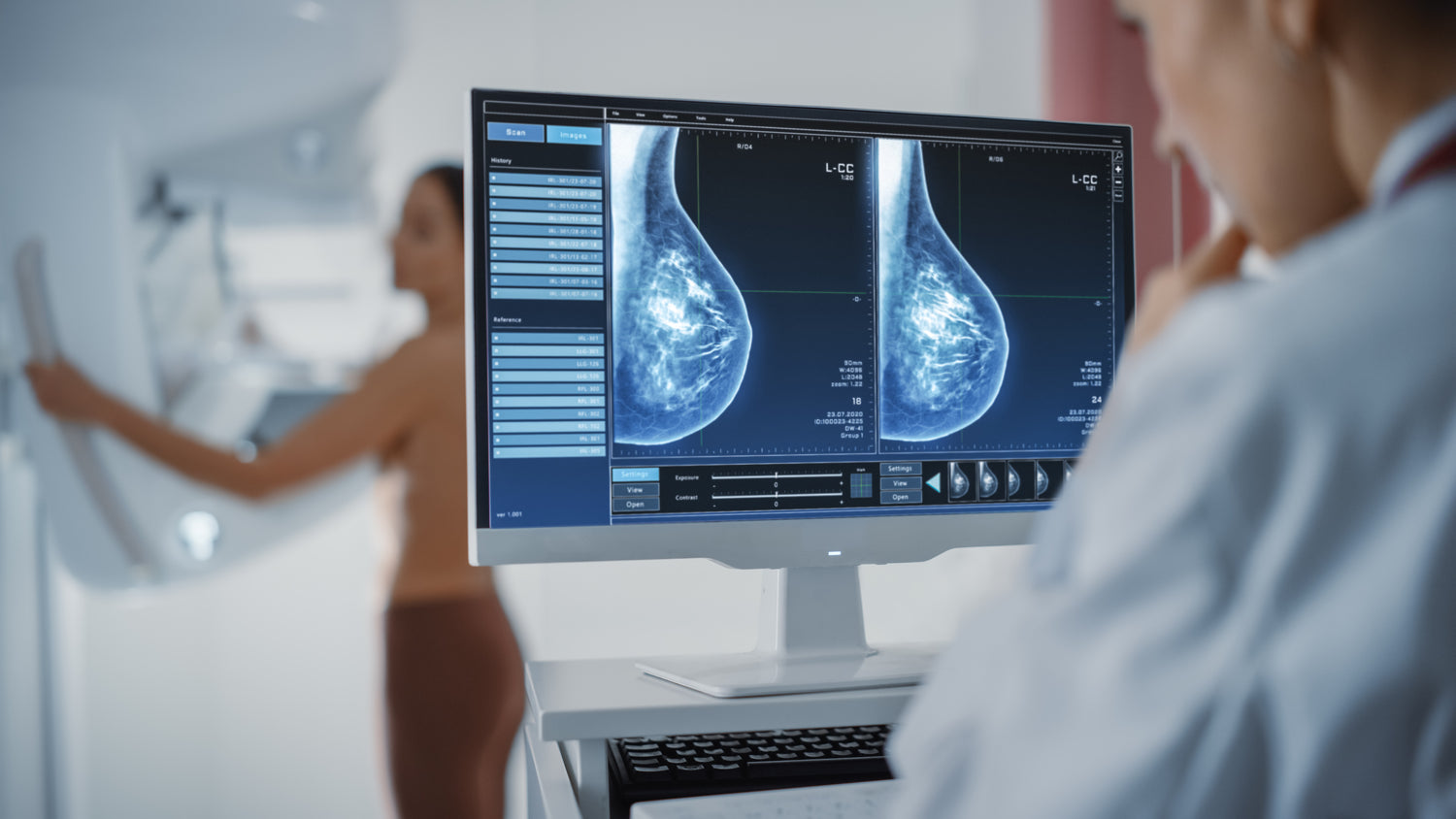
Trauma to the breast should be avoided with adequate protection. ⁣⁣Injury to the breast tissue can cause dead fat necrosis which can lead to lumps in the breast. These can be mistaken for breast cancer and can mean that the female will require biopsies to the breast. This can also make it difficult to detect breast cancer in the future if the patient has multiple areas of fat necrosis in the breast.⁣⁣ Fat necrosis on clinical examination and on breast imaging often mimics breast cancer and a biopsy is usually required to exclude cancer. It does not however increase a women’s risk of cancer.⁣

Trauma to the breast can also lead to chronic musculoskeletal and breast pain. Pain in the breast is uncommonly associated with breast cancer. Less than 10% of all breast cancers present with breast pain.

Medical experts agree and global research confirms, it's time for breast protection to be taken seriously.
Protection for Women on the Front Line

The Story Behind Boob Protect

Built for Impact. Now Protecting at Work.

What began as a solution to a hidden injury on the sports field is now protecting women in demanding, physical jobs.

Long Term Impacts from Breast Injuries

  • Build up of fat necrosis which can mimic breast cancer (bit not a cause) on scans, requiring painful and stressful tests.
  • The breast’s extensive superficial capillary network increases the risk of contusions and haematomas.
  • Breast pain, thought to be caused by tension on breast skin, internal ligaments and fascia during excessive breast motion.
  • Potential breast deformities or asymmetries.
  • Possible impacts on breastfeeding ability and milk production.
  • Damage to milk ducts may impair lactation.

How To Wear Boob Protect